

Pigmentation and
melasma, assessed
before anything else
Dark spots, patches and uneven skin tone can look alike and come from entirely different places. Before we plan anything, we work out what we are actually looking at.
In short
What is pigmentation, and what is melasma?
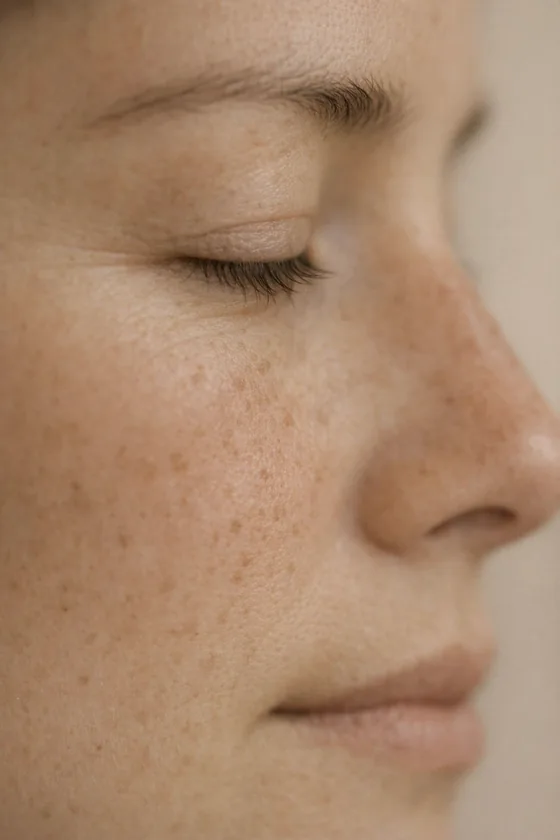
Pigmentation means dark spots, patches or uneven tone on the skin. It can come from sun, hormones, inflammation, acne or injury, and the same looking mark can have a different cause in two different people. Melasma is a particular form, often symmetrical across the forehead, cheeks or upper lip, that responds to hormonal and light influences and is treated as its own concern at The Hampton Clinic in Bristol.
Because the cause decides what is appropriate, the approach here is decided only after a consultation and skin assessment. Improvement is usually progressive rather than immediate, some forms can return, and homecare and sun protection are often part of keeping the result.
- Starts with
- Consultation and skin assessment
- We look at
- Pattern, skin type, history, contributing factors
- Melasma
- Considered separately from other pigmentation
- Approach
- Personalised, decided after assessment
- Improvement
- Usually progressive rather than immediate
- Recurrence
- Possible with some forms, discussed openly
- Maintaining it
- Homecare and sun protection often matter
- Cost
- Quoted after assessment
What looks the same on the surface can have an entirely different cause underneath. That is the whole reason this begins with an assessment.The clinic position
Not all pigmentation is the same
Pigmentation can appear as dark spots, patches or uneven skin tone. What varies, and what matters, is the cause underneath. Sun exposure, hormonal influences, inflammation, acne, injury and other factors may all contribute, sometimes more than one of them at once.
This is the part that is easy to get wrong. Two people can arrive describing the same thing, pointing at marks that look identical, and be dealing with two different situations. An approach that works well for one of them can be the wrong choice for the other.
Melasma in particular is complex, and can behave quite differently from other forms of pigmentation.
The forms people most often recognise
You may recognise your own concern in one of these, and it is useful to be able to name it. It is not, on its own, a diagnosis.
- Melasma and hormonally influenced pigmentation
- Post inflammatory hyperpigmentation, including marks following acne or other inflammation
- Sun related pigmentation, sunspots and age spots
- Freckles
- Acne related pigmentation
- Uneven or superficial pigmentation
Which of these you are dealing with, and whether more than one is present, is established by looking at your skin properly rather than by matching a photograph to a list.
Understanding melasma
Melasma is one of the most common reasons people come to us about pigmentation, and it deserves to be understood on its own terms.
It commonly appears as patches of brown or grey brown pigmentation, and it may be influenced by factors including hormones and sun exposure. It can be persistent, and it can return.
Our emphasis with melasma is on careful assessment, on managing the visible pigmentation, and on understanding the factors that may influence recurrence. We do not describe melasma as something that can be permanently removed or cured, because that would not be honest, and because expectations set badly at the start are the thing people regret most.
Why the assessment matters
Before recommending a plan, we assess your skin, the pattern of the pigmentation, your skin type, your history and the relevant factors likely to be contributing to it.
The purpose is straightforward: understand what we are treating before deciding how it should be approached.
It matters more here than in almost anything else we do, because incorrect treatment can make pigmentation worse rather than better. That risk is highest with melasma, and with clients who have deeper skin tones. Assessment is not a formality on this page, it is the treatment decision.
If we do not believe an approach is appropriate for your skin, we will tell you that, and say what we would suggest instead.
A personalised approach
Recommendations follow the consultation and the skin assessment, taking into account your skin type, the pattern of pigmentation, your history and the likely contributing factors.
We deliberately do not publish a pathway that matches a type of pigmentation to a particular approach, because that decision belongs in the room with your skin in front of us, not on a page you read at home. What we will say is that the plan is built for you rather than selected from a list.
Results, recurrence and protecting your skin
Improvement in pigmentation is usually progressive rather than immediate, and some forms of pigmentation can recur.
Homecare and sun protection can form an important part of maintaining whatever improvement is achieved. For pigmentation influenced by sun exposure that is not an afterthought, it is part of the plan, and we will be direct with you about it.
Realistic expectations are not a caveat we add at the end. They are the reason people are happy with the outcome.
The evidence
Our own patients,
across skin tones,
with their consent.
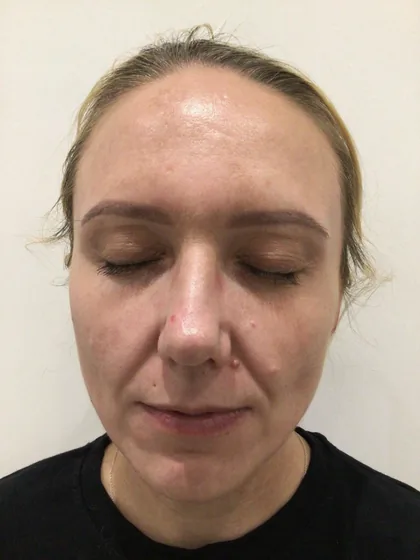
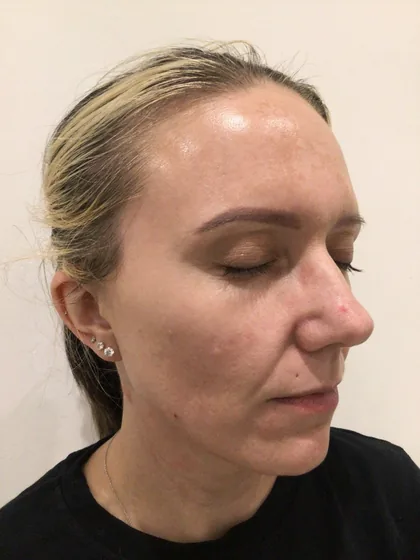
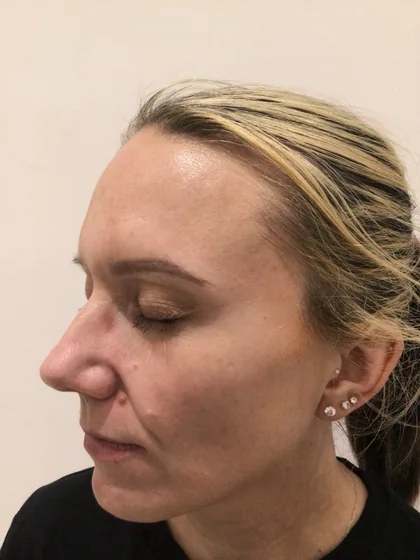
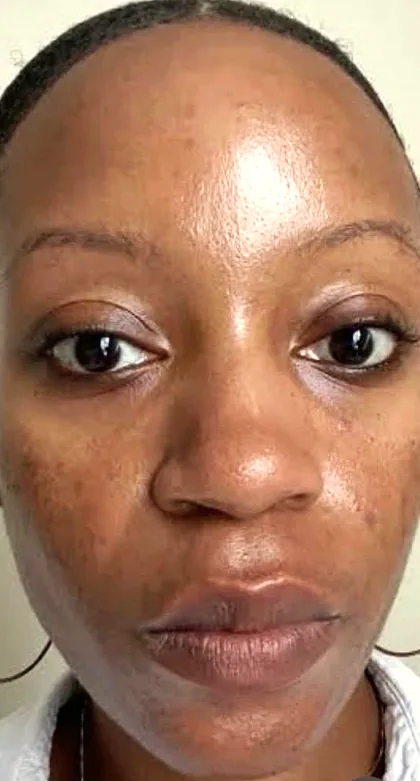
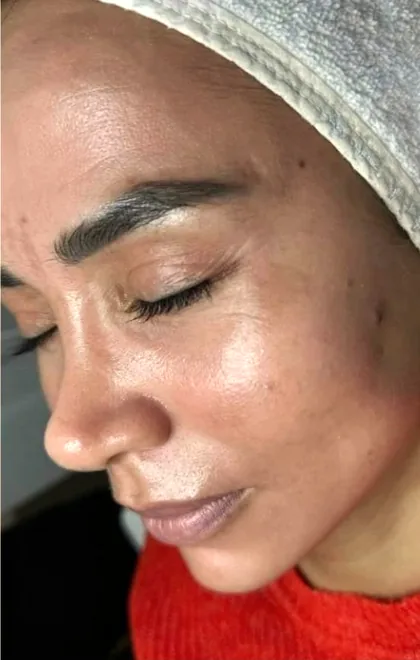
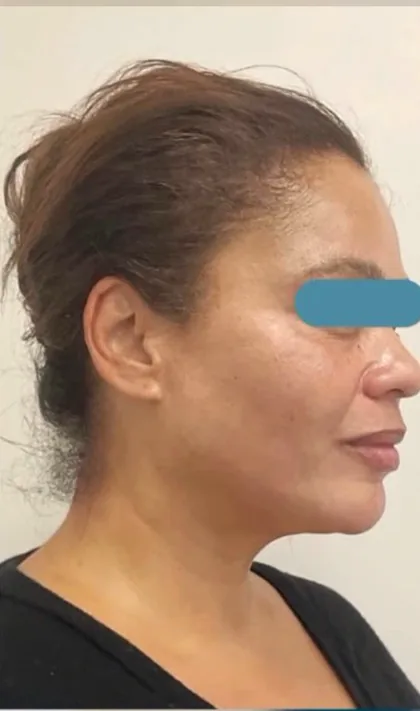
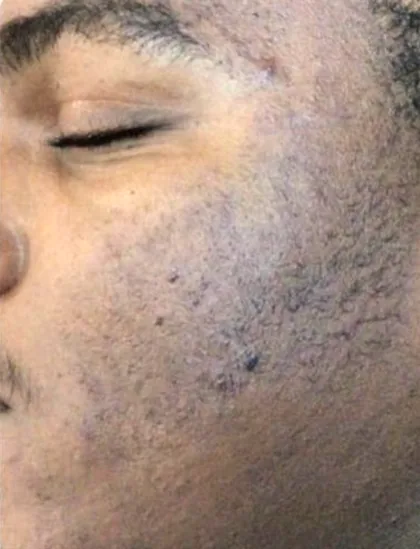
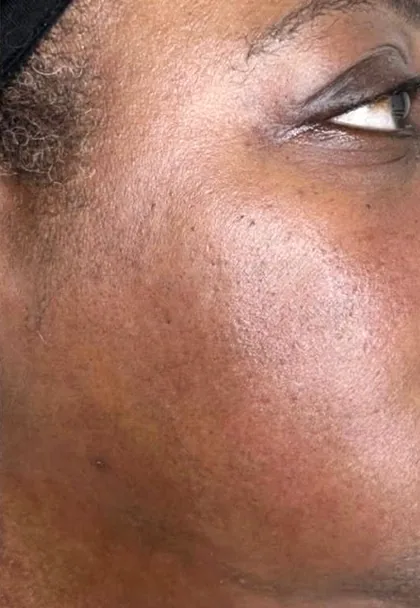
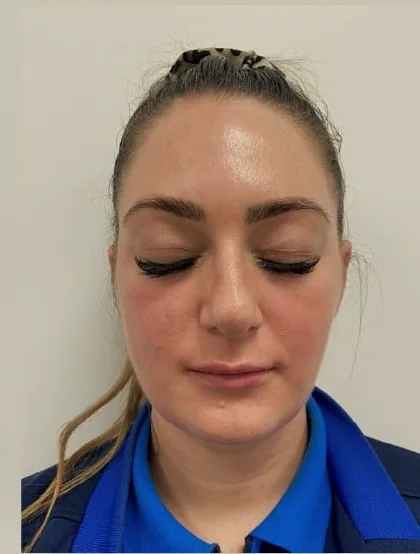
Pigmentation and melasma photographed at the start of a plan and again later, on patients of the clinic, published with their permission and without retouching. Different skin tones, different patterns, different causes. Drag any slider to compare.
 After
After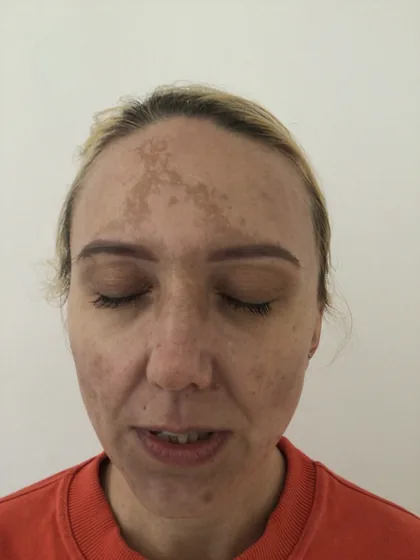 Before
 After
After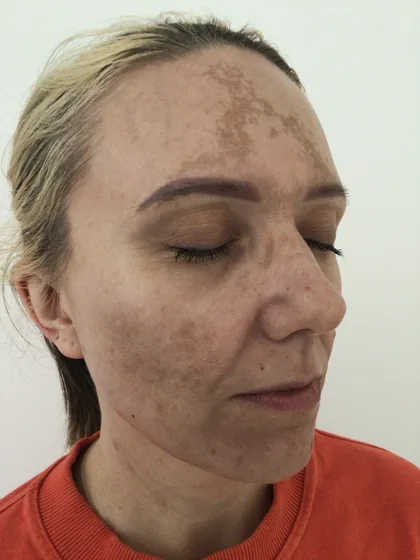 Before
 After
After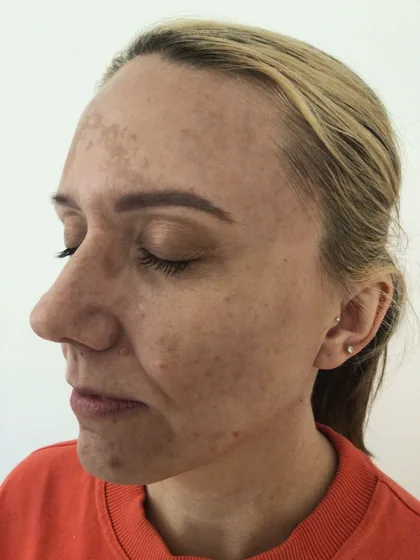 Before
 After
After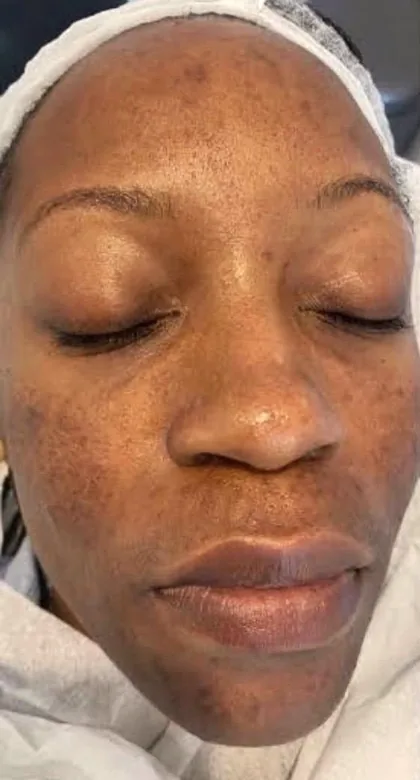 Before
 After
After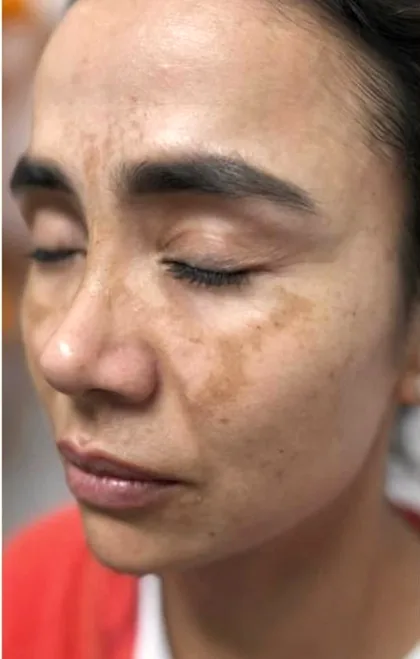 Before
 After
After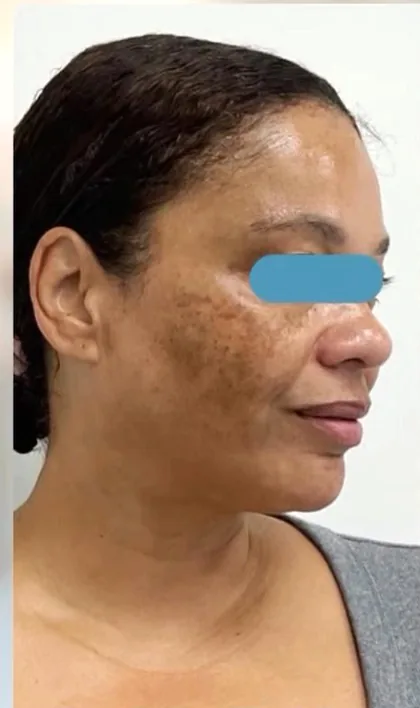 Before
 After
After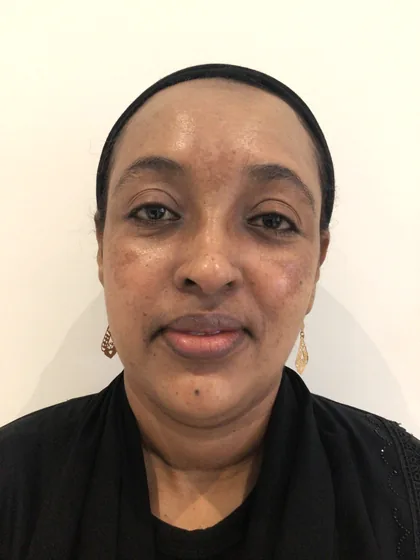 Before
 After
After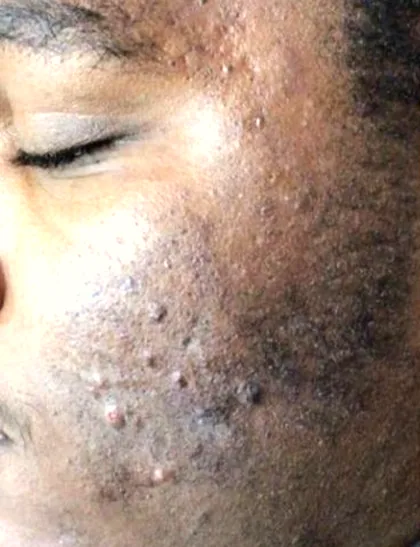 Before
 After
After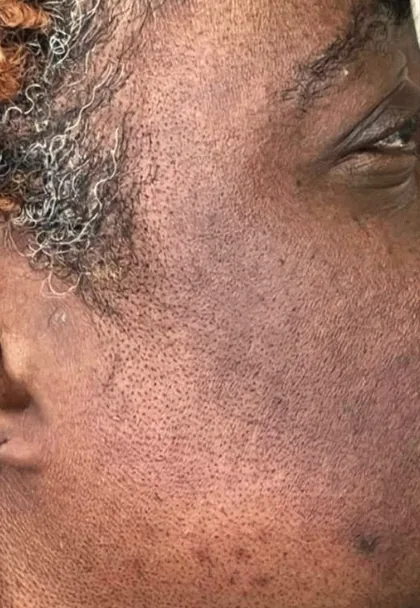 Before
 After
After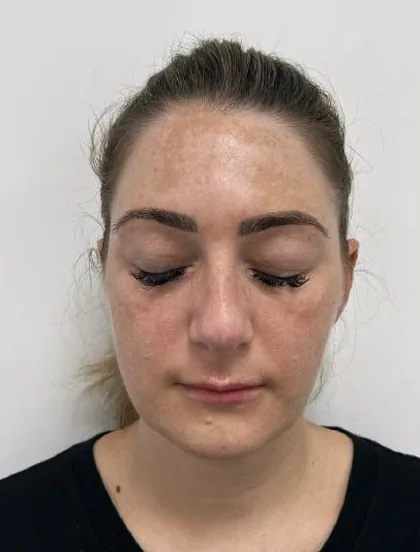 Before
These are patients of The Hampton Clinic, published with their consent and without retouching. Each was treated with a plan decided at their own assessment. What these show is what was achieved for these patients, on their skin, over their plans. Some forms of pigmentation can return, and yours would be assessed on its own terms. Results vary between individuals.
Sourced
What the evidence says
We would rather you heard this from a dermatology body than from us.
The British Association of Dermatologists explains that melasma results from pigment producing cells in the skin producing too much melanin, that contributors include pregnancy and hormonal medicines such as the contraceptive pill and hormone replacement, and that UV light can trigger melasma or make it worse. It notes melasma is more common in women, particularly during pregnancy, when up to half of women may be affected, and more common in people of colour.
On whether it can be cured, the same leaflet is unambiguous. It states that at present there is no cure for melasma, that there are several options that may improve appearance, and that it often returns after stopping treatment. On protecting the result it recommends a broad spectrum sunscreen at SPF 30 or above with a high UVA rating, choosing one with five UVA stars.
That is why this page promises assessment rather than removal, and why sun protection is part of the plan rather than an afterthought.

Skin is assessed before anything is recommended
What we are weighing
Three things decide
everything that
follows.
What it is
The form the pigmentation takes and the pattern it makes across the skin, which is the first clue to where it came from.
Where it came from
Sun, hormones, inflammation, acne, injury, or a combination. The cause changes what is appropriate more than the appearance does.
Whose skin it is on
Your skin type and history. Deeper skin tones and melasma both need particular care, and an approach chosen without that care can make things worse.
Suitability
Honest about
what this is.
This is for you if
- You want to know what is causing your pigmentation before deciding anything
- You have melasma, or pigmentation that has come back before
- You have a deeper skin tone and want that taken seriously
- You would rather hear what is realistic than what sounds impressive
This is not for you if
- You want a guarantee that pigmentation will be permanently removed
- You have already decided on an approach and want it carried out unassessed
- You are not willing to consider homecare and sun protection as part of the plan
- You expect a single visit to settle a concern that develops over months
I have been visiting the Hampton Clinic for ten years and there is absolutely nowhere else I would go for my treatments. Customers are always welcomed by a warm, polite and efficient team who are experts in their field. Treatments are carried out in an extremely respectful and personal manner.
Lindsey Berry
Questions
Before
you book.
Is all pigmentation the same?
No. Pigmentation can appear as dark spots, patches or uneven skin tone, but the underlying cause varies. Sun exposure, hormonal influences, inflammation, acne, injury and other factors may contribute. Two marks that look alike on the surface can have different causes and may need to be approached differently.
What is melasma?
Melasma commonly appears as patches of brown or grey brown pigmentation and may be influenced by factors including hormones and sun exposure. It can be persistent and it can recur, which is why it is assessed carefully rather than treated as ordinary pigmentation.
Can melasma be cured?
We do not describe melasma as something that can be permanently removed or cured. It can be managed, and the visible pigmentation can be improved, but recurrence is possible and understanding the factors that influence it is part of the plan.
Why does pigmentation need assessment first?
Because what looks similar on the surface may have a different cause, and an approach that suits one form of pigmentation can be the wrong one for another. Incorrect treatment can make pigmentation worse, particularly with melasma and in clients with deeper skin tones. Assessment establishes what we are dealing with before anything is planned.
What happens at a pigmentation consultation?
We assess your skin, the pattern of the pigmentation, your skin type, your history and the factors likely to be contributing to it. The purpose is to understand what we are looking at before deciding how it should be approached.
How quickly will pigmentation improve?
Improvement is usually progressive rather than immediate, and some forms of pigmentation can recur. Realistic expectations are part of a good plan, and we would rather set them at the start.
Does sun protection matter?
Yes. Homecare and sun protection can form an important part of maintaining any improvement, and for pigmentation influenced by sun exposure they are part of the plan rather than an afterthought.
Is pigmentation treatment safe for deeper skin tones?
Deeper skin tones need particular care, because an approach chosen without proper assessment can worsen pigmentation rather than improve it. That is exactly why we assess first and why we will say so if we do not think an approach is appropriate for your skin.
Next step
Find out what your
pigmentation actually
is, first.
A pigmentation and melasma consultation at Whiteladies Road establishes the pattern, the likely contributing factors and what is realistically achievable for your skin, before any plan is made.
177 Whiteladies Road · Bristol BS8 2RY