

PRP skin
rejuvenation in
Bristol
A concentrated platelet preparation produced from a small sample of your own blood, introduced into targeted areas of the skin, where naturally occurring platelets and growth factors support its repair and regenerative processes.
In short
What is PRP for skin?
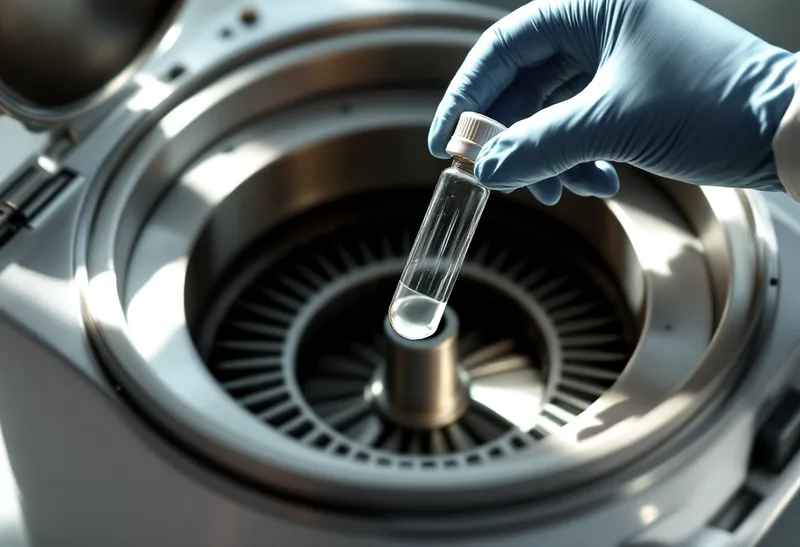
PRP skin rejuvenation at The Hampton Clinic in Bristol uses a concentrated platelet preparation produced from a small sample of the patient's own blood. Once prepared, the platelet rich plasma is introduced into targeted areas of the skin, where naturally occurring platelets and growth factors support the skin's repair and regenerative processes.
- What it is
- Platelet rich plasma, from your own blood
- Prepared from
- A small blood sample taken at the clinic
- Contains
- Naturally occurring platelets and growth factors
- Delivered
- Into targeted areas of the skin
- Aim
- Overall skin quality, texture and appearance
- Related
- PRF, prepared without anticoagulants
- Decided by
- Consultation and skin assessment
- Cost
- Quoted after assessment
Nothing foreign goes in. The preparation is made from a small sample of your own blood, in the room, on the day.The clinic position
What PRP is
PRP, platelet rich plasma, uses a concentrated preparation produced from a small sample of your own blood.
Once prepared, the platelet rich plasma is introduced into targeted areas of the skin, where naturally occurring platelets and growth factors are used to support the skin's repair and regenerative processes.
It can be incorporated into a skin rejuvenation plan where the aim is to improve overall skin quality, texture and appearance.
PRP or PRF
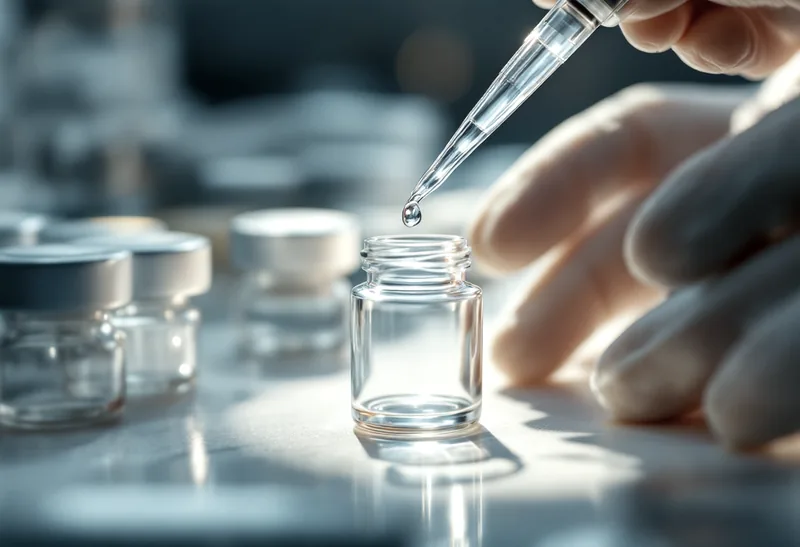
Both are platelet based and both are prepared from your own blood. The difference is in the preparation. PRF, platelet rich fibrin, is prepared without anticoagulants and forms a natural fibrin matrix.
Which of the two, if either, is appropriate for you is determined during consultation rather than chosen from a list. They are not interchangeable and they are not a ranking.
Where this sits in your plan, whether it is used on its own or alongside something else, and how many sessions we recommend, all follow from the assessment rather than from a package chosen in advance.
Why the assessment comes first
Nothing at The Hampton Clinic begins with a treatment. It begins with a consultation and an assessment, because the same concern can have different causes in two different people and the right answer is not always the treatment someone walked in asking about.
If we do not believe this is appropriate for you, or likely to benefit you, we will say so and recommend what we think would serve you better.

Skin is assessed before anything is recommended
Sourced
What the evidence says
The honest answer to "is PRP or PRF better" starts with how each one is actually prepared.
A comparative study in Archives of Dermatological Research describes PRP as drawn with an anticoagulant and spun twice, and PRF as collected in a plain tube without anticoagulant and spun once at a lower speed, forming a fibrin matrix that entraps platelets and leukocytes with a slow and prolonged release of growth factors. Exact speeds vary by system, so those are one published protocol rather than a universal standard.
A review in the Journal of Clinical and Aesthetic Dermatology reports that published facial rejuvenation schedules for PRP ranged from two to six sessions at two to four week intervals, averaging around three sessions.
Neither preparation is an upgrade of the other, and those session ranges are what the literature reports rather than what we will recommend to you. Yours is determined at your consultation.
Suitability
Honest about who
it is for.
It may suit you if
- Overall skin quality, texture and appearance are what you want to improve
- You would rather work with your own biology than introduce something foreign
- You are comfortable with a small blood sample being taken at the clinic
- You want a plan rather than a one off procedure
It is not the answer if
- You want an immediate, visible structural change
- Assessment suggests PRF or another approach is more appropriate for you
- Your skin has not been assessed yet
- You are not comfortable with a blood draw
How it runs
Assessed, prepared,
and placed where
it is needed.
-
01
Conversation
You tell us what you want to improve about your skin.
-
02
Skin assessment
We assess your skin, previous treatments and relevant history, and determine whether a regenerative approach is appropriate.
-
03
PRP or PRF
Suitability for either is determined during consultation. They are prepared differently and they are not interchangeable.
-
04
Your plan
PRP on its own, or within a wider plan where another treatment addresses a different concern.
-
05
Reviewed
Progress is reviewed and the plan adjusted where appropriate.
I have been visiting the Hampton Clinic for ten years and there is absolutely nowhere else I would go for my treatments. Customers are always welcomed by a warm, polite and efficient team who are experts in their field. Treatments are carried out in an extremely respectful and personal manner.
Lindsey Berry
Questions
Before
you book.
What is PRP for skin?
PRP, platelet rich plasma, is a concentrated preparation produced from a small sample of your own blood. It is introduced into targeted areas of the skin, where naturally occurring platelets and growth factors support the skin's repair and regenerative processes.
What is the difference between PRP and PRF?
Both are prepared from a small sample of your own blood. PRP is a concentrated platelet preparation. PRF, platelet rich fibrin, is prepared without anticoagulants and forms a natural fibrin matrix containing platelets and other naturally occurring components involved in tissue repair and cellular signalling. Suitability for either is determined during consultation.
Is anything artificial introduced into my skin with PRP?
The preparation is produced from a small sample of your own blood at the clinic. It is used where the aim is to improve overall skin quality, texture and appearance.
Do I need to know which treatment I want before booking?
No. Most people arrive describing a concern rather than requesting a procedure, and that is the more useful way round. Your consultation and skin assessment establish what is bothering you, what is realistically achievable and which treatment, or combination, is appropriate.
What if this turns out not to be suitable for me?
We will tell you, and recommend an alternative where appropriate, rather than proceeding simply because it was the treatment you originally enquired about.
How much does it cost?
Skin treatment plans are quoted after your consultation and skin assessment, because the cost depends on what is being treated and whether more than one approach is appropriate. Your full plan and its cost are set out for you before you commit to anything. The consultation itself is complimentary, secured by a £25 holding fee that is refunded when you attend.
Next step
Work with the skin
you already have.
A consultation and skin assessment at Whiteladies Road establishes whether a regenerative approach suits your skin, and whether PRP or PRF is the appropriate one for you.
177 Whiteladies Road · Bristol BS8 2RY